C. PLĪNIUS CALVISIŌ SUŌ S.
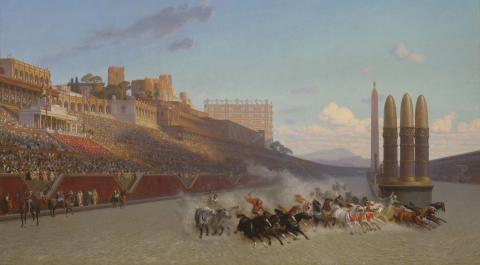
(1) Omne hoc tempus inter pugillārēs ac libellōs iūcundissima quiētā trānsmīsī. 'Quemadmodum' inquis 'in urbe potuistī?' Circēnsēs erant, quō genere spectāculī nē levissimē quidem teneor. Nihil novum nihil varium, nihil quod nōn semel spectāsse sufficiat. (2) Quō magis mīror tot mīlia virōrum tam puerīliter identidem cupere currentēs equōs, īnsistentēs curribus hominēs vīdēre. Sī tamen aut vēlōcitāte equōrum aut hominum arte traherentur, esset ratiō nōn nūlla; nunc favent pannō pannum amant, et sī in ipsō cursū mediōque certāmine hic color illūc ille hūc trānsferātur, studium favorque trānsībit, et repente agitātōrēs illōs equōs illōs, quōs procul nōscitant, quōrum clāmitant nōmina relinquent. (3) Tanta grātia tanta auctōritās in ūnā vīlissimā tunicā, mittō apud vulgus, quod vīlius tunicā, sed apud quōsdam gravēs hominēs; quōs ego cum recordor, in rē inānī frīgida adsidua, tam īnsatiābiliter dēsidēre, capiō aliquam voluptātem, quod hāc voluptāte nōn capior. (4) Ac per hōs diēs libentissimē ōtium meum in litterīs collocō, quōs aliī ōtiōsissimīs occupātiōnibus perdunt. Valē.
notes
Pliny admits that he enjoyed the chariot races the first time he went, but says the games have no appeal for him.
Calvisiō: Calvisius Rufus, equestrian and decurion of Comum, Pliny's friend and business consultant (Sherwin-White).
(1) Omne hoc tempus: apparently the period of the games (Wescott).
iūcundissimā quiēte: “in very pleasant rest and relaxation.”
Quemadmodum potuistī: “how could you?” “How can that be?” Normally he would be busy in court.
in urbe: “the city,” without qualification, is always Rome.
Circēnsēs: supply lūdī.
- read more 1
-
The ancient Romans were as passionately fond of chariot races as modern Americans are of football and for more or less the same reasons. The races were usually held in the huge Circus Maximus, situated in the valley between the Palatine and Aventine hills; and so frantic was the enthusiasm of the populace that the great satirist Juvenal, writing at approximately the same time as the publication of this letter, says the Romans cared for nothing but "food and chariot racing" (10.80-81, panem et circenses). — Pliny must have been familiar with Cicero's lively and contemptuous epistle to his Epicurean friend Marius (Ad Familiares 7.1), concerning the spectacular series of elaborate entertainments with which Pompey in 55 B.C officially dedicated his theater, located in the Campus Martius (Poteat).
teneor: “I am attracted” (Wescott). With nē levissimē quidem, "I am not even mildly interested" (Poteat).
Nihil novum: supply est with these clauses. These are all things that the games don’t have, at least in Pliny’s estimation.
quod nōn semel spectāsse sufficiat: “which it would not suffice to have seen (only) once." Once you’ve seen one race, you’ve seen them all.
Quō: "for which reason" (LS quo I.B), in this sense very often paired with magis, to mean "all the more."
magis mīror: “I am more surprised that.”
tot mīlia virōrum: the seating capacity of the Circus in Pliny's time is still a matter for debate. Juvenal suggests in Satires 11.197 that it could accommodate the whole of Rome. Probably not more that 150,000.
tam puerīliter: counters the idea of virōrum, “of men (behaving) in such a childlike manner.” These are grown men, acting like children.
currentēs equōs, īnsistentēs curribus hominēs vīdēre: "to see horses running and men standing in chariots" (Kingery).
aut vēlōcitāte … aut arte: ablatives of cause with traherentur.
arte: "skill" (Kingery).
ratiō nōn nūlla: “some explanation," some sufficient reason,” i.e. at least then he could respect their rationale. OLD ratio 5.
nunc: "as it is" (Kingery).
pannō: literally, "a rag," but refers to the tunics worn by charioteers.
Races were conducted by four great factiōnēs or corporations, each represented by its color, worn by its jockeys and drivers—red, white, blue or green. Racegoers became attached to one or another of these factiōnēs and would cheer and bet on the success of its horses (Kingery).
in ipsō cursū mediōque certāmine: “in the middle of the race itself and in the middle of the contest.”
hic color illūc ille hūc trānsferātur: “this color were to transfer to that that (charioteer) and that color were to transfer to this (charioteer).”
repente agitātōrēs illōs equōs illōs: pull the verb relinquent into this clause, “they would immediately abandon those drivers (and) those horses.”
studium favorque: "enthusiasm and popularity" (Church).
(3) Tanta grātia tanta auctōritās: supply est.
tunicā: i.e. bearing the driver’s colors (Kingery).
mittō: for omittō, "I don’t address,” "to say nothing of."
vīlius tunicā: “more worthless than the tunic(s) (which they wear).”
I.e. of the auriga. This type of supercilious sneer at the masses of the people, common enough among the higher classes at all periods of Roman history, is most unusual for Pliny (Poteat).
quōs ego cum recordor, in rē inānī frīgidā adsiduā, tam īnsatiābiliter dēsidēre: quōs is a connecting relative, referring to the gravēs hominēs. Dēsidēre = "loiter, hang about, be idle," OLD desideo 2. Order: cum ego recordor illōs tam īnsatiābiliter dēsidēre in rē inānī frīgidā adsiduā.
recordor: “think about," "ponder."
in rē inānī frīgidā adsiduā: “in this futile, tedious, monotonous business” (Radice).
capiō ... cāpior: note the word play.
hāc voluptāte nōn capior: Pliny employed the holidays, as he did the Saturnalia (2.17.6), in study. It appears from 9.23 that Tacitus was less ascetic (Holbrooke).
(4) otium meum: “my leisure time.”
otiosissimīs: "the most idle and useless" (Poteat).
perdunt: “waste.”
vocabulary
pugillārēs –ium, m.: writing tablets
libellus –ī m.: little book, document
iūcundus –a –um: pleasant, delightful, agreeable
quiēs quiētis, f.: rest, relaxation
trānsmittō –mittere –mīsī –missus: to spend (time)
circēnsis –e: performed in the circus; (as subst. m. pl.) public games
spectāculum –ī, n.: spectacle
leviter: lightly, slightly
sufficiō –ficere –fēcī –fectum: to suffice
quō: (expresses degree of difference)2
puerīlis –e: childish, puerile
identidem: again and again
īnsistō –sistere –stitī: to place one’s self in or upon a thing, + dat.
vēlōcitās –ātis, f.: swiftness, speed
nōnnūllus –a –um: some unknown
faveō favēre fāvī fautus: to favor
pannus –ī, m.: a piece of cloth, rag
certāmen certāminis, n.: contest, struggle
trānsferō –ferre –tulī –lātus: to transfer
favor favōris, m.: goodwill
repente (repens): suddenly
agitātor –ōris, m.: one who drives; a charioteer
noscitō –scitāre –scitāvī –scitātum: to recognize (freq. of nosco)
clāmitō –āre: to cry aloud
vīlis –e: cheap3
tunica –ae, f.: tunic
recordor –ārī –ātus sum: to ponder, think about, recall
inānis –e: empty, void
frīgidus –a –um: cool, cold
assiduus –a –um: continual, incessant
īnsatiābilis –e: insatiable
dēsideō –sidēre –sēdī: to sit idle, remain inactive
libenter: willingly4
collocō –āre –āvī –ātus: to occupy, employ
ōtiōsus –a –um: at leisure
occupātiō –ōnis, f.: an occupation