[88] βούλομαι τοίνυν ὑμῖν, ὦ ἄνδρες Ἀθηναῖοι, καὶ τοῦ δήμου τοῦ Ἀθηναίων μαρτυρίαν παρασχέσθαι, ὡς σπουδάζει περὶ τὰ ἱερὰ ταῦτα καὶ ὡς πολλὴν πρόνοιαν περὶ αὐτῶν πεποίηται. ὁ γὰρ δῆμος ὁ Ἀθηναίων κυριώτατος ὢν τῶν ἐν τῇ πόλει ἁπάντων, καὶ ἐξὸν αὐτῷ ποιεῖν ὅ τι ἂν βούληται, οὕτω καλὸν καὶ σεμνὸν ἡγήσατ᾽ εἶναι δῶρον τὸ Ἀθηναῖον γενέσθαι, ὥστε νόμους ἔθετο αὑτῷ καθ᾽ οὓς ποιεῖσθαι δεῖ, ἐάν τινα βούλωνται, πολίτην, οἳ νῦν προπεπηλακισμένοι εἰσὶν ὑπὸ Στεφάνου τουτουὶ καὶ τῶν οὕτω γεγαμηκότων.

[89] ὅμως δ᾽ ἀκούοντες αὐτῶν βελτίους ἔσεσθε, καὶ τὰ κάλλιστα καὶ τὰ σεμνότατα δῶρα τοῖς εὐεργετοῦσι τὴν πόλιν διδόμενα γνώσεσθε ὡς λελυμασμένοι εἰσίν. πρῶτον μὲν γὰρ νόμος ἐστὶ τῷ δήμῳ κείμενος μὴ ἐξεῖναι ποιήσασθαι Ἀθηναῖον, ὃν ἂν μὴ δι᾽ ἀνδραγαθίαν εἰς τὸν δῆμον τὸν Ἀθηναίων ἄξιον ᾖ γενέσθαι πολίτην. ἔπειτ᾽ ἐπειδὰν πεισθῇ ὁ δῆμος καὶ δῷ τὴν δωρεάν, οὐκ ἐᾷ κυρίαν γενέσθαι τὴν ποίησιν, ἐὰν μὴ τῇ ψήφῳ εἰς τὴν ἐπιοῦσαν ἐκκλησίαν ὑπερεξακισχίλιοι Ἀθηναίων ψηφίσωνται κρύβδην ψηφιζόμενοι.

[90] τοὺς δὲ πρυτάνεις κελεύει τιθέναι τοὺς καδίσκους ὁ νόμος καὶ τὴν ψῆφον διδόναι προσιόντι τῷ δήμῳ πρὶν τοὺς ξένους εἰσιέναι, καὶ τὰ γέρρα ἀναιρεῖν, ἵνα κύριος ὢν αὐτὸς αὑτοῦ ἕκαστος σκοπῆται πρὸς αὑτὸν ὅντινα μέλλει πολίτην ποιήσεσθαι, εἰ ἄξιός ἐστι τῆς δωρεᾶς ὁ μέλλων λήψεσθαι. ἔπειτα μετὰ ταῦτα παρανόμων γραφὴν ἐποίησε κατ᾽ αὐτοῦ τῷ βουλομένῳ Ἀθηναίων, καὶ ἔστιν εἰσελθόντα εἰς τὸ δικαστήριον ἐξελέγξαι ὡς οὐκ ἄξιός ἐστι τῆς δωρεᾶς, ἀλλὰ παρὰ τοὺς νόμους Ἀθηναῖος γέγονεν.

    Apollodoros explains the steps by which Athenians grant the exceptional honor of citizenship.

    88

    ἐξόν < ἔξεστι; accusative absolute (G. 591, S. 2076). Another example is found in section 13

    δῶρον: take this word, along with its modifiers (καλὸν καὶ σεμνόν), as the predicate.

    τὸ Ἀθηναῖον γενέσθαι: articular infinitive: “to become Athenian” means “to become a naturalized Athenian citizen.”

    ποιεῖσθαι < ποιέομαι (middle of ποιέω), which often means “to adopt”; in a transferred sense it can mean to “adopt” someone into one’s polis, i.e., naturalize them.

    πολίτην: take as the predicate; the object of ποιεῖσθαι is τινά.

    89

    ὅμως: some scholars think that there is a lacuna preceding ὅμως (proposing that something like “even though you know these laws…” has fallen out); others use the emendation ὑμεῖς δ’ ἀκούσαντες αὐτῶν βέλτιον εἴσεσθε (as does Dilts 2009).

    αὐτῶν: genitive object of ἀκούοντες. 

    βελτίους = βελτίονες (comparative of ἀγαθός). 

    βελτίους ἔσεσθε: it has been pointed out that this is a patronizing way of speaking to the jury (Carey 1992: 130); Kapparis 1999: 88 therefore suggests emending the text to βέλτιον εἴσεσθε.

    τὰ κάλλιστα καὶ τὰ σεμνότατα δῶρα: take as the object of λελυμασμένοι εἰσίν.

    πόλιν: object of εὐεργετοῦσι. Euergetism, doing good services for the polis of Athens, was something that was highly encouraged and rewarded in kind.

    λελυμασμένοι εἰσίν: perfect middle < λυμαίνω (“soil, dishonor, outrage, offend”), periphrastic as usual for 3 pl. pf. mid.-pass. (see §48 and S. 408); the subject is Stephanos and others of his ilk.

    ἀνδραγαθίαν εἰς “good services to,” see §73; ἀνδραγαθία, literally “the quality of being a good man,” was the defining virtue that qualified one for naturalization.

    κυρίαν “valid.”

    ἐπιοῦσαν < ἔπειμι (ἐπί + εἶμι); that is, the next Assembly meeting.

    ὑπερεξακισχίλιοι: over 6,000: the typical number required for quorum.

    ψηφίσωνται: this is the second vote to ratify the grant of citizenship; the first took place at the previous Assembly meeting. The additional requirement of a second vote is hard to date precisely.

    κρύβδην: the use of secret ballots and urns (see below) is more typical of the courts than the Assembly.

    90

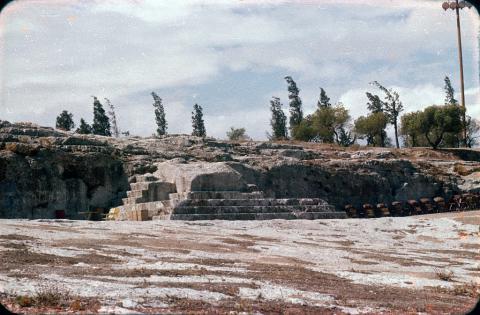
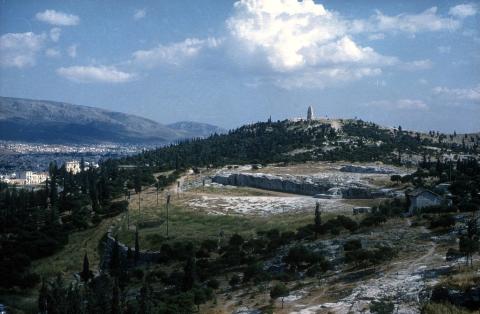
    γέρρα: these are likely movable wicker fences. A plausible suggestion (Hansen 1984: 241–47) is that they were temporary barriers set up to monitor access to the Pnyx. Only citizens were let through at first, so that they could vote; after the vote, the barriers were taken down and non-citizens (and other spectators) could come through to witness the proceedings.

    κύριος ὢν αὐτὸς αὑτοῦ “being himself master of himself,” i.e., independent and free from any pressure brought by non-citizens

    σκοπῆται πρὸς αὑτόν: the prepositional phrase, to be taken closely with the verb, intensifies the idea of introspection.

    λήψεσθαι: deponent future of λαμβάνω: supply as its object δωρεάν (that is, the gift of citizenship).

    παρανόμων γραφήν “an indictment for illegality,” see §5.

    ἐποίησε: “(the law) made it possible (to bring).” 

    κατ’ αὐτοῦ: i.e., against the candidate for citizenship. Technically, however, the γραφή is brought not against him but against the man who proposed that said person be given citizenship.

    ἔστιν: note the accent: here with its sense of “it is possible”; it can take a dative or (as here) accusative of person for whom something is possible, plus infinitive.

    88

    Ἀθηναῖος –α –ον: Athenian

    μαρτυρία –ας ἡ: witness, testimony, evidence

    σπουδάζω σπουδάσομαι ἐσπούδασα ἐσπούδακα ἐσπούδασμαι ἐσπουδάσθην: make haste, be eager, do hastily

    πρόνοια –ας ἡ: foresight, care

    ἔξεστι: it is possible

    σεμνός –ή –όν: holy; august

    δῶρον –ου τό: gift

    πολίτης –ου ὁ: citizen, freeman

    προπηλακίζω προπηλακιῶ προυπηλάκισα ––– προπεπηλάκισμαι προυπηλακίσθην: to bespatter with mud; mistreat insultingly

    γαμέω γαμῶ ἔγημα γεγάμηκα γεγάμημαι –––: marry

    89

    ὅμως: still, nevertheless

    κάλλιστος –η –ον: finest

    εὐεργετέω: to do well, do good, to benefit

    λυμαίνω: damage; (mid.) soil, dishonor, outrage, offend

    ἀνδραγαθία –ας ἡ: bravery, manly virtue, the character of a brave honest man

    ἐπειδάν: whenever (ἐπειδή + ἄν, in indefinite or general clauses with subjunctive)

    δωρεά –άς ἡ: a gift, present

    ποίησις –εως ἡ: a making, creation

    ψῆφος –ου ἡ: small stone; vote; judgment

    ἐπειμί ἐπέσομαι ––– ––– ––– –––: to come after

    ἐκκλησία –ας ἡ: assembly

    ὑπερεξακισχίλιοι: over six thousand

    ψηφίζω ψηφιζιῶ ἐψήφισα ἐψήφικα ἐψήφισμαι ἐψήφισθην: vote

    κρύβδην: secretly

    90

    πρύτανις –εως ὁ:  prytanis, member of the tribe presiding in the Athenian βουλή or ἐκκλησία

    καδίσκος: a voting urn

    πρόσειμι: approach

    εἴσειμι: to go into

    γέρρον: an object made of wicker-work, wicker shield or fence

    παράνομος: acting contrary to law, lawless

    εἰσέρχομαι εἰσελεύσομαι εἰσῆλθον εἰσελήλυθα ––– –––: to come to court

    δικαστήριον –ου τό: a court of justice

    ἐξελέγχω ἐξελέξω ἐξέλεξα ἐξέλεχα ἐξέλεγμαι ἐξελέχθην: to convict; to verify, prove

    article nav
    Previous
    Next

    Suggested Citation

    Deborah Kamen, Pseudo-Demosthenes: Against Neaira. Carlisle, Pennsylvania: Dickinson College Commentaries, 2018. ISBN: 978-1-947822-10-8.https://dcc.dickinson.edu/el/against-neaira/88-90