M. Nōn equidem invideō, mīror magis: undique tōtīs
usque adeō turbātur agrīs. ēn ipse capellās
prōtinus aeger agō; hanc etiam vix, Tītyre, dūcō.
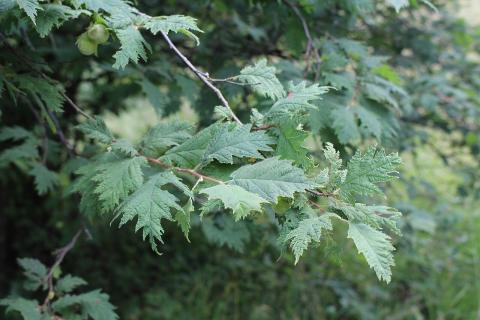
hīc inter dēnsās corylōs modo namque gemellōs,
spem gregis, ā! silice in nūdā conīxa relīquit.15
saepe malum hoc nōbīs, sī mēns nōn laeva fuisset,
dē caelō tāctās meminī praedīcere quercūs.
sed tamen iste deus quī sit, dā, Tītyre, nōbīs.
T. Urbem quam dīcunt Rōmam, Meliboee, putāvī
stultus ego huic nostrae similem, quō saepe solēmus20
pāstōrēs ovium tenerōs dēpellere fētūs.
sīc canibus catulōs similīs, sīc mātribus haedōs
nōram, sīc parvīs compōnere māgna solēbam.
vērum haec tantum aliās inter caput extulit urbēs
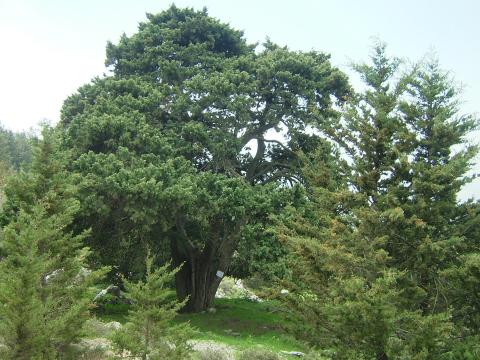
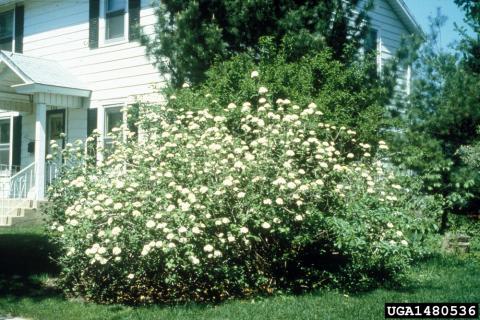
quantum lenta solent inter vīburna cupressī.25
notes
11–25 M: I am amazed at your leisure, Tityrus, because my own fortune has been so poor. Who is this god of yours? T: I was a fool to think that Rome was like anything I had seen before.
11–12 nōn equidem … magis: equidem sets up an emphatic concession before the magis clause: “I certainly don’t …, rather I …” (AG 322e).
11 tōtīs / … agrīs: supply in. The preposition is freely omitted in poetry with the ablative of place where (AG 429.4). The hyperbaton of totīs / … agrīs makes the adjective emphatic.
12 usque adeō: “to such a great extent.” Usque strengthens adeō, a common combination.
12 turbātur: the third person singular passive form of a verb can be used impersonally (AG 208d).
13 hanc: supply capellam. Meliboeus refers to a specific nanny goat in the herd.
14–15 Meliboeus’s hardship contrasts starkly with Tityrus’s prosperity: he must leave behind the twin kid goats abandoned by their mother that he, as goatherd, would normally rear, while Tityrus is well off enough to sacrifice a lamb in honor of his patron and good fortune.
15 spem gregis: in apposition to gemellōs (AG 282). By mentioning that the kid goats are abandoned, Vergil suggests Meliboeus’s lost hopes for the ability to overcome the hardships of civil war through renewal.
15 ā!: an exclamation. The punctuation does not signal the end of the sentence.
15 conixa: supply capella, the same goat as the previous hanc; cōnīxa indicates a more difficult birth than the standard ēnīxa.
16 nōbīs: indirect object of praedīcere in the next line.
16 sī mēns nōn laeva fuisset: protasis of a past contrary-to-fact condition. The implied apodosis is something like “I would have noticed.”
16 laeva: “ill-fated,” and so deluded (Coleman).
16 hoc malum: direct object of praedīcere.
17 dē caelō tāctās … quercūs: accusative subject of praedīcere in indirect statement introduced by meminī. Oak trees struck by lightning are a bad omen. Jupiter striking his own sacred tree, the quercus, with lightning would be especially ominous.
18 sed tamen: resume Meliboeus’s opening thought after the aside about his own hardship.
18 iste deus quī sit, dā, Tītyre, nōbīs: order: dā nōbīs quī iste deus sit. Dā, “tell” (LS do II.G) introduces an indirect question.
18 deus: presumably a reference to Octavian. See line 6 and note.
19 dīcunt:appellant. Rōmam is the predicate accusative (AG 393).
19–20 urbem … similem: supply esse.
20 huic nostrae: i.e., to Tityrus’s own town; the adjective similem takes the dative (AG 384).
20 quō: “to which place,” relative adverb looking forward to dēpellere.
21 pāstōrēs: nominative in apposition to the implied subject of solēmus (AG 282).
22 dēpellere: “to drive” the goats down to the market. Tityrus’s town is where shepherds sell their lambs.
22–23 sic canibus … noram: these two clauses form parallel indirect statements with heavy ellipsis: sīc canibus catulōs [esse] similīs [noram], sīc matribus haedōs [esse similīs] noram. The adjective similis takes the dative case; thus canibus and matribus are in the dative. Similīs takes the third declension accusative plural ending -īs in place of -ēs (AG 74.c).
23 nōram: “I knew”; contracted form of nō(ve)ram (LS nosco). The present form nōscō means “to learn,” so the perfect form is “to have learned” i.e. “to know.” The pluperfect therefore translates as “knew” (not “had known”). Note the enjambment; by delaying the main verb until the next verse, Tityrus emphasizes nōram and that in the past he knew these things, but his worldview has now shifted.
19–25 This moment is Tityrus’s realization that Rome is a completely different species, like a lofty cypress compared to lowly shrubs, rather than just a larger version, like a grown animal compared to a baby, when compared to his own town (huic nostrae).
24 vērum: “but in truth”; more emphatic than sed (AG 324d).
24 haec [urbs]: i.e. Rome.
24 tantum … quantum: a correlative meaning “to such a degree … as …” (AG 152).
24 inter: preposition with aliās … urbēs, not with caput, which is instead the direct object of extulit.
25 solent … cupressī [capita extulisse]: solent anticipates an infinitive (“they are accustomed to …”), so we understand the verb from the preceding clause.
vocabulary
equidem: indeed, certainly, for my part
invideō invidēre invidī invīsus: to envy; be jealous of, begrudge
ēn: look!
capella capellae f.: she-goat
Tityrus –ī m.: Tityrus, male name
dēnsus –a –um: thick, dense
corylus –ī m.: a hazel-tree
gemellus –a –um: twin
grex gregis m.: herd, flock
ā: ah (expletive of distress or pity)
silex silicis n.: stone, rock
cōnītor –nīxus or nīsus sum: to give birth
laevus –a –um: ill-fated; misguided
praedīcō –ere –dīxī –dictus: foretell, predict
quercus –ūs f.: an oak tree
Meliboeus –ī m.: Meliboeus, a shepherd
stultus –a –um: foolish, stupid
pāstor pāstōris m.: shepherd
ovis –is n.: sheep
dēpellō dēpellere dēpulī dēpulsus: to drive off to a destination
fētus fētūs m.: offspring, young
catulus –ī m.: puppy
haedus –ī m.: a young goat, kid
vērum: but yet, but
extollō –ere: to lift up; raise
lentus –a –um: pliant, supple
vīburnum –ī n.: viburnum, the wayfaring-tree, a low-lying shrub
cupressus –ī f.: the cypress